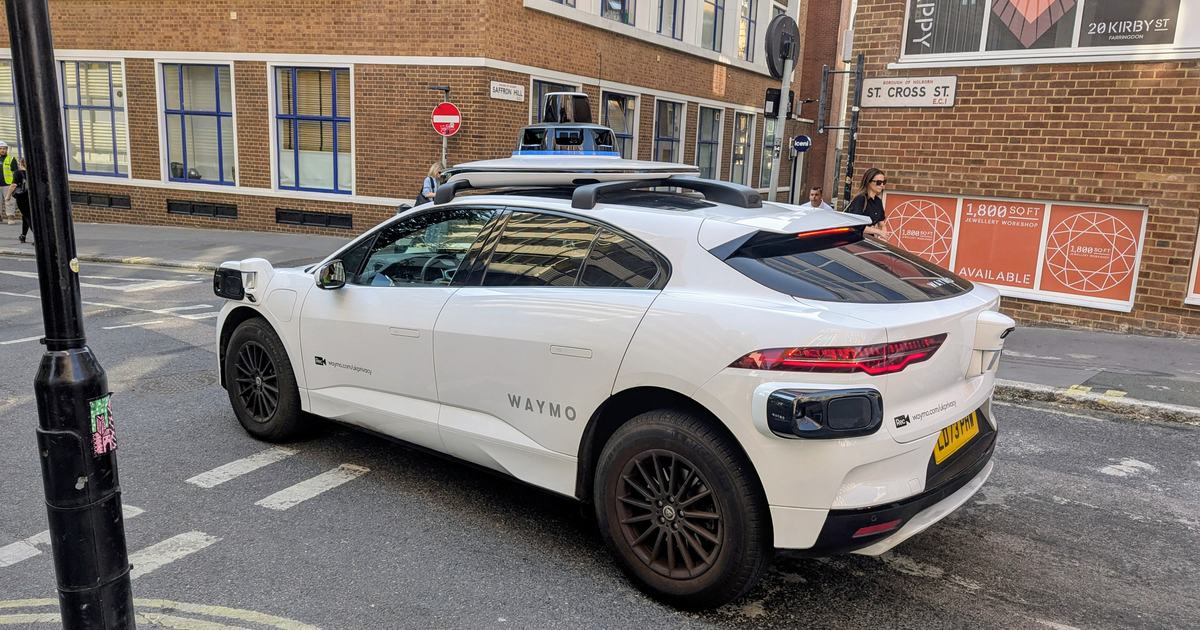
Intel and Atsign say they have combined Atsign’s agentic security architecture with Intel hardware-backed key generation, encryption and hashing to reduce the performance cost of securing AI agents at the edge. The work uses the Agent2Agent (A2A) standard and is aimed at distributed environments such as autonomous vehicles, where exposed keys, untrusted devices, sensitive data exchange and workflow tampering create security risks. Atsign supplied identity management, namespace isolation, scoped data sharing, end-to-end encryption and auditability, while the Intel side provided protected key storage, secure boot, trusted compute, total memory encryption and full disk encryption. Atsign reported an 8,700% improvement in hardware-accelerated encrypted communications, describing this as an almost 88-fold uplift on Intel Xeon at up to 5 Gb/s. On Intel Core Ultra 9, it reported a 60-fold uplift at up to 6 Gb/s. The companies presented the results as relevant to smart-city transport, including robotaxis and autonomous shuttles, but the article attributes the performance figures to Atsign and does not provide independent validation. Atsign has also joined Intel’s Industrial Builders partner program, giving Intel users access to pre-validated solutions and potential proof-of-concept and procurement support.