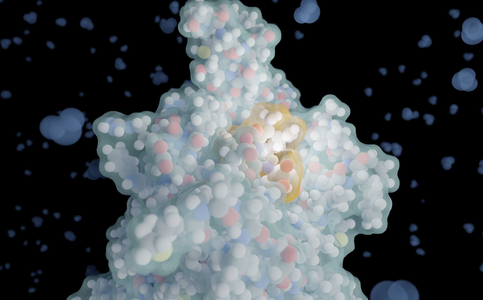
Researchers at the Leibniz Institute for Food Systems Biology at the Technical University of Munich and collaborators developed an AI-based method to predict whether peptides taste bitter and to design new bitter peptides from scratch. The approach combines a protein language model trained on about 500 known bitter peptides with BitterPep-GCN, a graph convolutional network for peptide prediction. The team generated 161 previously uncharacterized peptide sequences and used the model to identify candidates predicted to be bitter or non-bitter. The most promising candidates were synthesized and assessed by a trained sensory panel. Of 31 peptides tested, the panel correctly classified 25 as bitter or non-bitter, and the study also identified previously unknown bitter and non-bitter peptides. The researchers say the method could support more deliberate control of bitter peptide formation during production of fermented foods and protein hydrolysates, particularly plant-based, protein-rich foods whose consumer acceptance can be affected by unwanted flavor notes. The work was published in NPJ Science of Food on June 25, 2026.