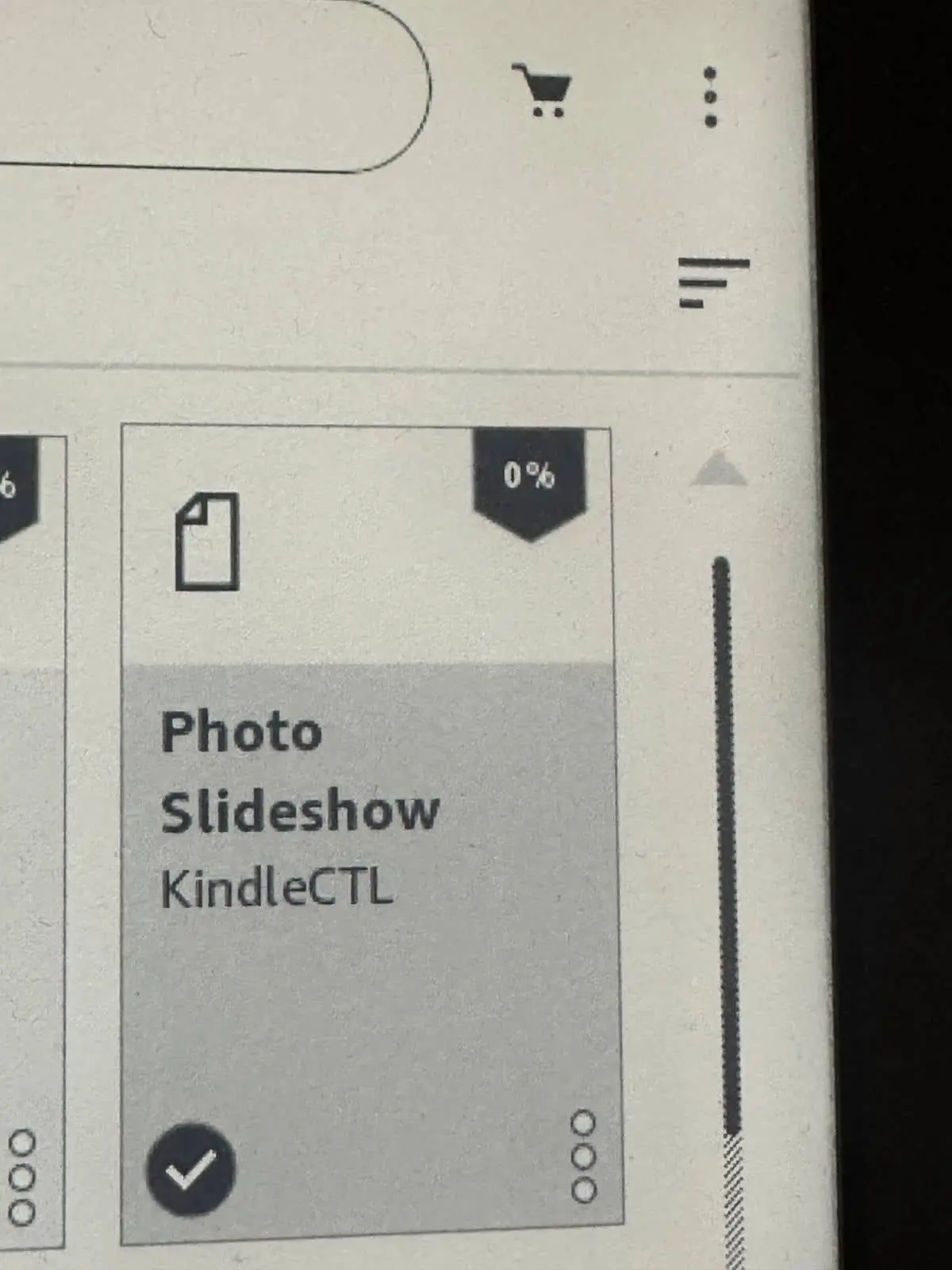
In a personal experiment, the author used AI coding agents to turn an unused 10th-generation Kindle Basic into an offline photo frame. The project began with a custom screensaver and grew into KindleCTL, a set of tools for sending commands, transferring files, and investigating errors over Wi-Fi without a USB connection. GPT-5.6 Sol connected to the device but could not resolve a storage-related error, while Fable 5.1 and Opus 5.5 were blocked by Anthropic’s cybersecurity safeguards after two prompts. GPT-6 Astra helped adapt an existing jailbreak from SpiderCat and the KindleModding community, repair a launcher compatibility problem, and establish administrator access that survived a reboot. The author then built and installed a slideshow application written primarily in C, with Python and shell scripts supporting the surrounding tools. It cycles through ten photos, keeps their original aspect ratios, provides an Exit button, supports configurable display time and brightness, resumes after sleep, and stores photos locally so it works without Wi-Fi. Automated tests initially missed image residue caused by the Kindle’s physical display refresh. After the agent used the device’s built-in refresh mechanism, the author confirmed that transitions looked clean. A persistent diagnostic connection and remote screen captures created a feedback loop that let the agent inspect logs and test fixes with less manual intervention. The author emphasizes that this was an experiment on a personally owned Kindle, not a step-by-step jailbreak guide, and advises modifying only devices one owns or has permission to change.